

Direct bookings no longer have to follow the price on Booking.com. Since 14 November 2024, Booking.com has had to comply with the EU Digital Markets Act (DMA), which bans rate parity clauses, and on 28 September 2026 the European Commission announced further changes to how the platform treats hotels. Below we explain what a hotel in Bulgaria may do now, what Booking.com can still do and where to start.
In short
- Since 14 November 2024, Booking.com may not stop a hotel from offering lower prices or different conditions on its own website or on other platforms (Article 5(3) of Regulation (EU) 2022/1925).
- Booking.com removed parity requirements from its terms and from the Genius, Preferred and Preferred Plus programmes in the European Economic Area in July 2024.
- Since September 2026, prices on other channels no longer decide eligibility for Booking Sponsored Benefit, and external price checks in the Extranet are for information only.
- Booking.com may still show guests a lower price than yours and pay the difference from its own commission, so the cheapest offer is not always on the hotel website.
- Hotels also have the right to real-time access to the data they generate on Booking.com and to transfer it to other platforms.
What does the Digital Markets Act forbid Booking.com to do?
The Digital Markets Act forbids Booking.com to prevent a hotel from selling the same rooms at a different price or under different conditions on its own website or through other online platforms. It also forbids measures with the same effect, for example a higher commission or removing the offers of a hotel that sells cheaper elsewhere.
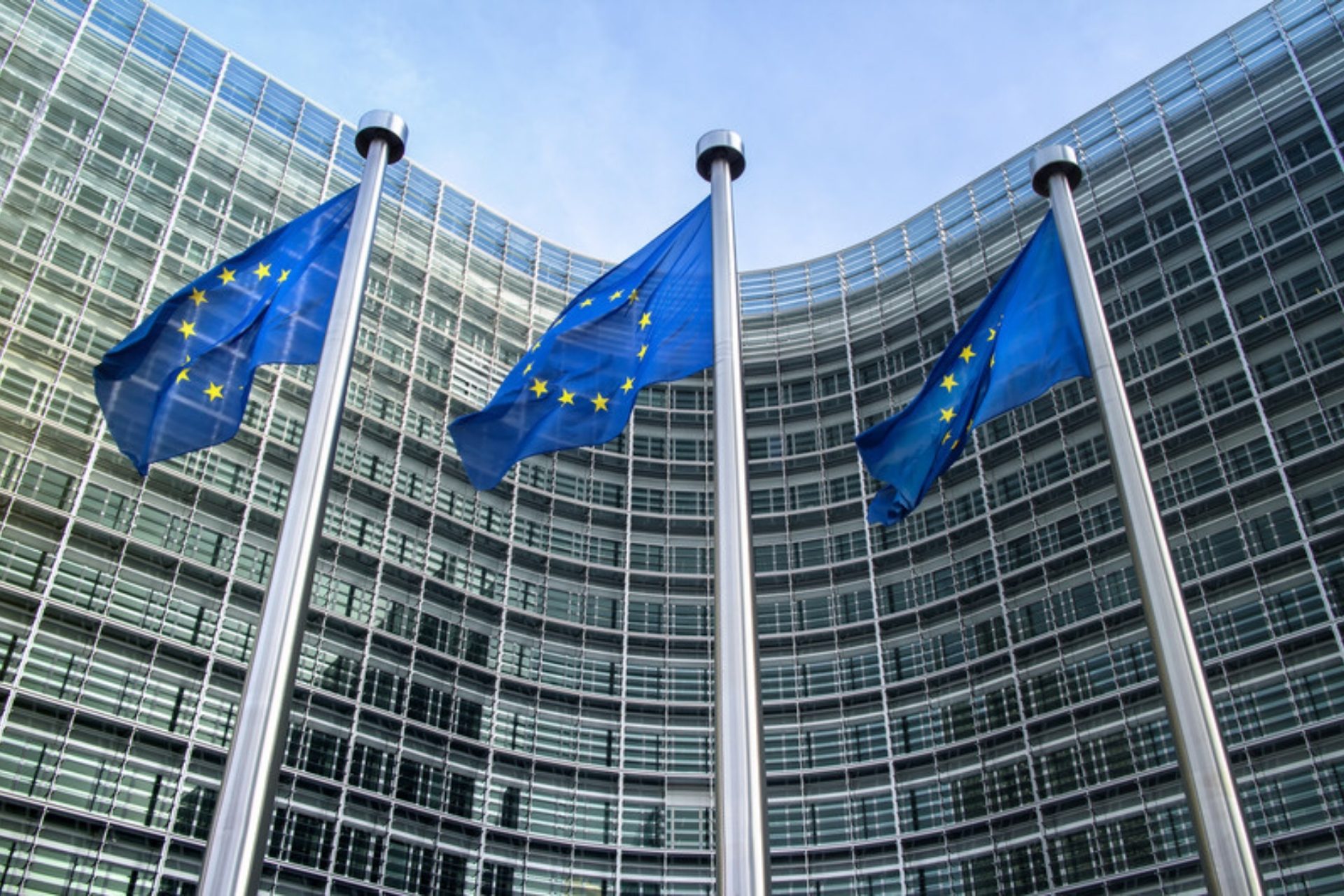
The European Commission designated Booking Holdings as a gatekeeper in May 2024, and the obligations have applied since 14 November 2024. Among online travel platforms, only Booking.com has this status, so the rules do not cover your contracts with other platforms directly.
The same rules give hotels two rights that are often forgotten: continuous, real-time access to the data generated through their use of Booking.com, and the right to move that data to other services.
What changed on Booking.com in September 2026?
After a dialogue with the European Commission, Booking.com stopped using prices from other channels to decide which properties qualify for Booking Sponsored Benefit. The Commission described the changes in a factsheet on 28 September 2026.
- The “competitive” and “non-competitive” price labels were removed from the Extranet.
- External price checks are for information only and are not used for default ranking or for eligibility for Genius, Preferred and Preferred Plus.
- Hotels get more detail on the programmes, on the “performance score” and booking-level data on Booking Sponsored Benefit.
- Booking.com plans to update the ranking annex of its General Delivery Terms by the end of 2026.
These changes do not end national cases. The competition authority in Greece keeps its case open, the Italian authority AGCM has been investigating since April 2026 how Preferred properties are shown to guests, and the €413.24 million fine imposed in Spain in 2024 is suspended pending appeal.
How can a hotel use pricing freedom to win more direct bookings?
Give guests a clear reason to book with you: a lower price, better conditions or both, shown on a website where the booking takes a few minutes on a phone. The DMA allows different prices and different conditions, so the advantage does not have to be a discount.

- Choose the advantage. Compare what each channel costs you and decide whether the website will be cheaper or will include more, such as breakfast, late check-out or free cancellation until a later date.
- Make the website ready to sell. The final price with taxes should be visible before payment, and the guest should be able to book online without calling.
- Say it where guests decide. Show the advantage on the room page and in the booking engine, not only in a banner on the home page.
- Keep comparisons accurate. If you write “cheaper than Booking.com”, the comparison must be true for the same room, dates and conditions.
- Bring back past guests. Offer the direct channel at check-out and by email to guests who have given consent under the GDPR.
Once you have more direct bookings, tell people about it on your website and social media. In our article on content that works best in tourism we show which formats bring results.
What can Booking.com still do?
Booking.com may still lower the price shown to the guest through Booking Sponsored Benefit and pay the difference itself. The hotel receives the full amount of its rate and its commission does not change, but the guest may see a lower price on Booking.com than on your website.

The European hotel association HOTREC has said it is waiting to see how the changes work in practice. Visibility in Genius, Preferred and Preferred Plus still depends on Booking.com’s own criteria, such as the discounts you give and the higher commission in Preferred, so check what each programme costs you before you join or leave it.
What to do now
- Check your Booking.com contract and Extranet for any remaining price alignment requirement or warning.
- Decide on one clear direct booking advantage and show it on every room page.
- Download the data on your bookings from the Extranet regularly and keep it in your own systems.
- Review the Booking Sponsored Benefit report to see how often guests saw a lower price than yours.
- Train reception staff to offer direct booking for the next stay.
Has your hotel increased its direct bookings since 2024? If you would like to share your experience with colleagues, write to us. We collect such examples for our future materials for the sector.
Frequently asked questions
Can Booking.com rank my hotel lower if my website is cheaper?
No. The Digital Markets Act bans measures that have the same effect as parity clauses, and since September 2026 external price checks are not used for default ranking or for eligibility for Genius, Preferred and Preferred Plus. If you notice such pressure, you can report it to the European Commission.
Do the rules apply to other booking platforms?
The DMA obligations apply only to platforms designated as gatekeepers, and among online travel platforms that is only Booking.com. For other platforms, check the parity terms in your own contract.
What is Booking Sponsored Benefit?
It is a Booking.com scheme that lowers the price shown to the guest and covers the difference from the platform’s own revenue. The hotel receives its full rate and pays the same commission. Since September 2026, prices on other channels no longer decide which properties qualify.
What is the collective claim against Booking.com?
The Dutch foundation Hotel Claims Alliance, supported by HOTREC and more than 30 national associations, is seeking damages in the Amsterdam District Court for parity clauses used between 2004 and 2024. Registration closed on 11 September 2026, and by July 2026 more than 10,700 hotels had joined.
Where can a hotel report a breach?
Through the contact page for businesses or the whistleblower tool on the European Commission’s Digital Markets Act website. Keep screenshots from the Extranet and any messages from Booking.com as evidence.
This article is practical guidance and not legal advice.