Tourism is one of those industries where content really matters. Before someone books a hotel, picks a travel agency or buys an experience, they usually want to see more, learn more and, above all, picture what they’re going to get.
That’s why social media, your website and your other digital channels are much more than a place to post photos and offers. They’re a chance to show the experience, build trust and gradually turn interest into a real enquiry or booking.
But what kind of content works best?
The truth is, there’s no single format that fits everyone. The most successful approach is usually a mix of different types of content, each playing its own part in the customer’s journey. So in this article, we’ll give you a few ideas:
Content that shows the experience
When people choose a holiday, they aren’t just booking a room, a plane ticket or a tour. They’re buying an experience.
That’s why content that lets a potential customer imagine what their trip would look like is so valuable.
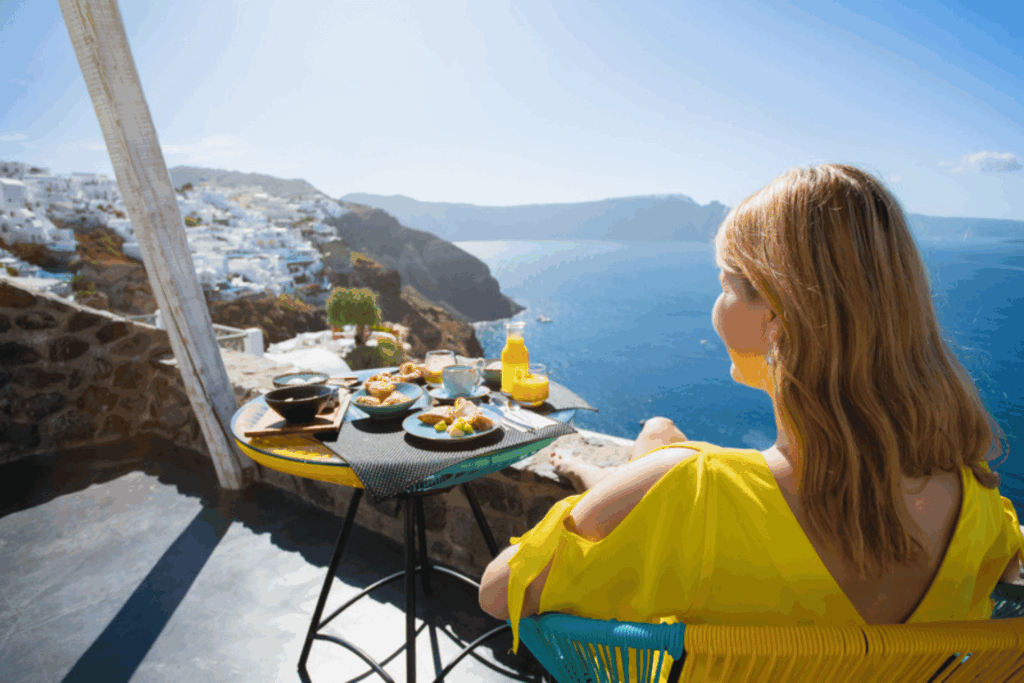
For a hotel, this could be short videos of breakfast, the view from the terrace, the spa, the pool or the area around the hotel. For a travel agency, it could be footage from the destination itself, interesting places on the itinerary, local food or moments from previous groups. For a tourist attraction, a video that captures the atmosphere and the feeling of the visit.
This kind of content works well because it doesn’t just inform you, it makes you want to go.
Useful content that answers real questions
Not every post has to sell. Would-be travellers have dozens of questions: When’s the best time to visit? What should we see in three days? How do we get there? Is the destination good for kids? What should we pack? What’s worth seeing in the area?
The answers to these and other questions can become really valuable content.
For example, a travel agency could post “5 things to know before your first trip to Thailand”, while a mountain hotel could share “7 places to visit around us this weekend”.
Content like this builds expertise and trust. When people get useful information from a business before they’ve even become customers, they’re more likely to keep it in mind when it’s time to buy.
Real stories and content from your customers
One of the strongest ways to show the quality of your travel service is to let your customers talk about it.
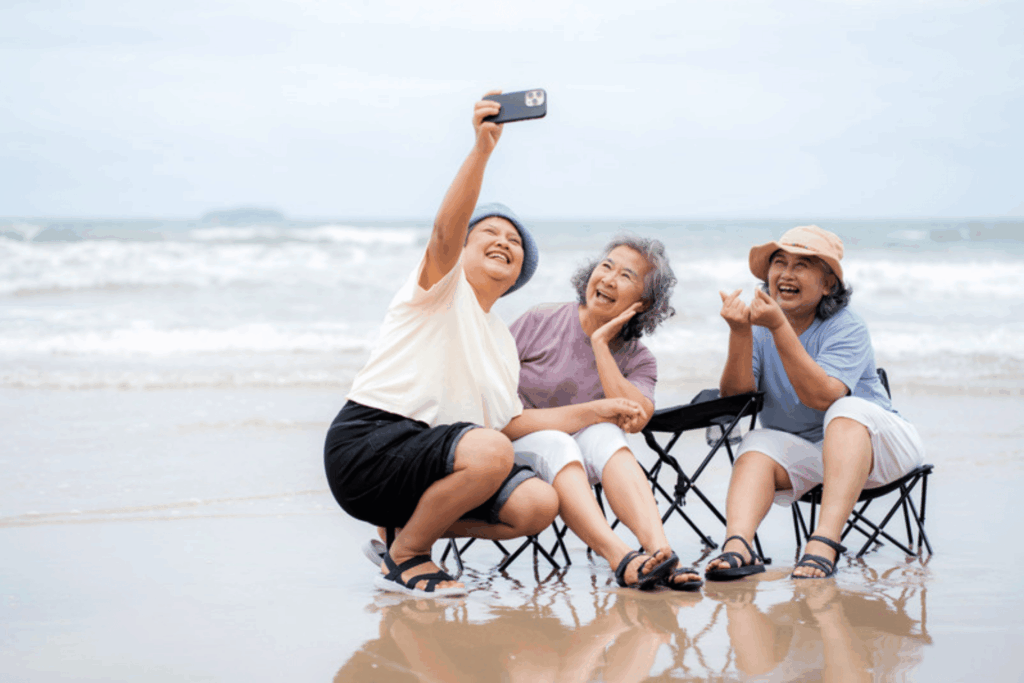
Photos and videos from real guests, reviews, short stories and shared experiences can be far more convincing than a standard promotional post.
Imagine a post from a travel agency that doesn’t just say “Our Bali holiday was amazing”, but shows photos from the trip and a short comment from a customer about what they enjoyed.
That’s a form of social proof. Potential customers can see that other people have already chosen the service and were happy with it.
It’s important for this content to be authentic. Not every photo needs to look like a professional advertising shoot. Sometimes it’s the natural moments that feel the most believable.
Content that shows the people behind the business
Tourism is a business of experiences, but it’s also a business of people. Show your team, the reception desk, the chefs, the tour guides, the entertainers or the people who look after your guests. Show how breakfast is prepared, how guests are welcomed or how a tour is put together.

This kind of content makes your brand more human. For smaller tourism businesses in particular, it can be a real advantage. Potential customers don’t just see a logo or a faceless company, but people they can trust.
Offers, but presented the right way
Of course, offers are an important part of your content too. After all, the goal of marketing is to support the business.
The problem starts when every post is simply: “Sale! Now only! Book now!”
Instead of posting just a price and dates, try to show who the offer is for and what the customer gets.
For example, instead of:
“Mountain weekend getaway at a special price”
you could say:
“Need a short break from the daily rush? Spend two days surrounded by nature, with breakfast, spa access and late check-out included.”
That way, the offer becomes a solution to a specific need, not just a price.
Video content
Video formats are still a particularly good fit for the tourism sector, because they let you show a place, its atmosphere and the experience in a way that a still photo can hardly match.

Not every video has to be an expensive professional production. A short vertical video showing breakfast, the sunset, an interesting landmark or part of a tour can be more than enough.
What matters more is that the video has an idea behind it. Instead of just showing pretty shots, tell a story: “What a day at our hotel looks like” or “3 places you have to visit in China”.
Content for each stage of the customer journey
One of the most common mistakes is expecting every post to lead straight to a sale.
But not everyone who sees your post is ready to book.
Some people are only just choosing a destination. Others have already picked a place but are comparing different offers. And some are ready to book right away.
That’s why your content needs to match these different stages. Early on, it can inspire and introduce destinations. Then it can give useful information and build trust. And when someone is close to a decision, specific offers, reviews and clear calls to action can steer them towards a booking.
The best content isn’t just pretty.
In tourism marketing, beautiful photos matter, but on their own they aren’t enough. Your content needs to inspire, answer questions, build trust and, at the right moment, prompt people to act.
The best approach is to combine content that shows the experience, gives useful information, features real customers and the people behind the business, presents offers and uses the right video formats.
What matters is that every post has a clear role in your overall marketing strategy.
If you’d like to find out what type of content suits your tourism business best and how to turn it into a tool for more enquiries and bookings, don’t hesitate to get in touch with us for a consultation.