
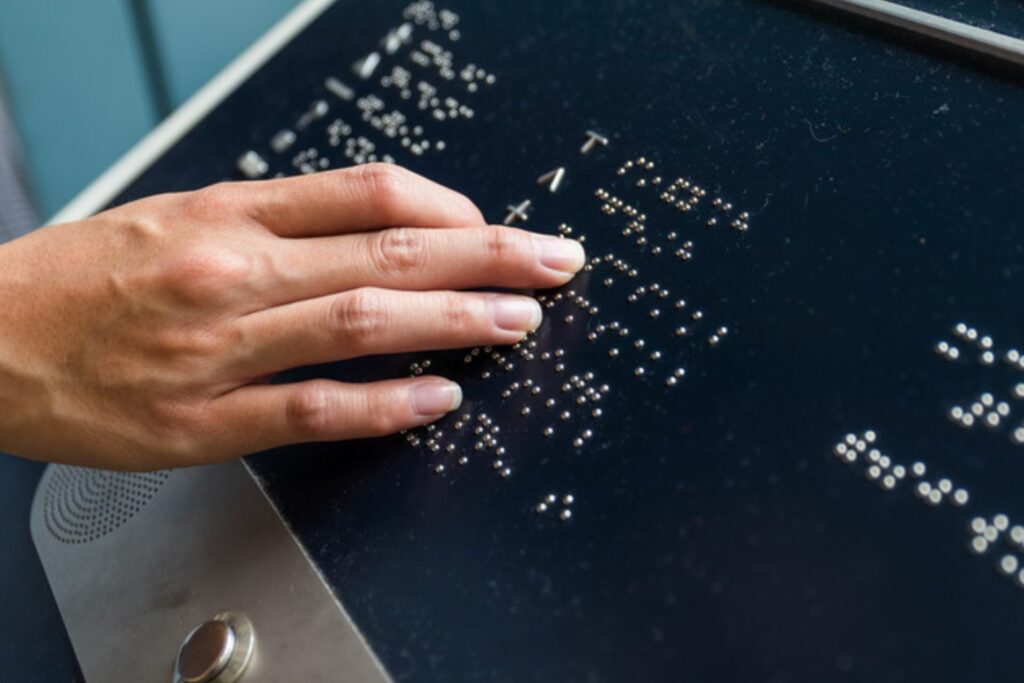
The European Accessibility Act has applied since 28 June 2025, and it covers the online bookings a hotel sells through its own website. Bulgaria transposed the directive through its Law on Accessibility Requirements for Products and Services, so hotel and guesthouse owners should check their booking website now, before next season. Below you will find who the rules apply to and what your booking website needs to do.
In short
- Directive (EU) 2019/882, known as the European Accessibility Act, has applied since 28 June 2025.
- In Bulgaria it was transposed by the Law on Accessibility Requirements for Products and Services (State Gazette No. 31 of 11 April 2025).
- The law covers e-commerce services, and a direct online booking with payment on a hotel’s website is one of them.
- Microenterprises that provide services (fewer than 10 staff and no more than EUR 2 million in turnover or balance sheet) are exempt.
- In practice, the benchmark is the EN 301 549 standard, which refers to WCAG 2.1 level AA for websites.
Does the European Accessibility Act apply to my hotel website?
If your hotel sells rooms directly on its website and is not a microenterprise, it most likely does. The law covers e-commerce services, meaning contracts a consumer concludes at a distance through a website or mobile app, and an online booking with confirmation and payment fits that description exactly.
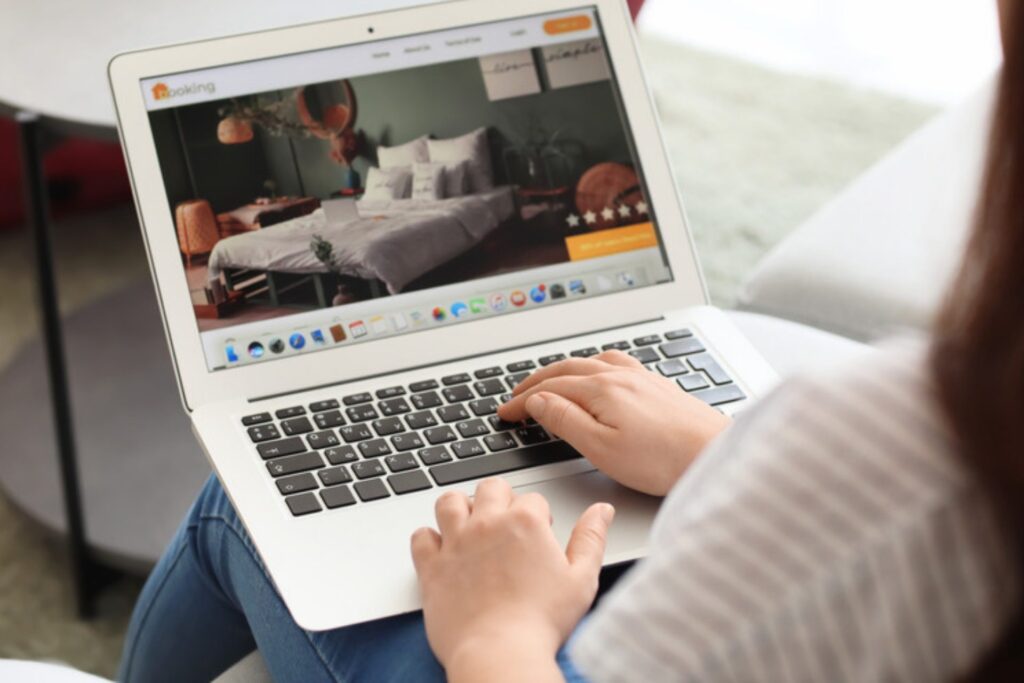
The microenterprise exemption matters for many family-run hotels and guesthouses in Bulgaria. It applies when fewer than 10 people work at the property and annual turnover or the balance sheet does not exceed EUR 2 million. If your website only shows information and the enquiry form does not lead to a contract, the scope is less clear, and it is worth asking a lawyer.
What does a booking website need to do?
People with visual, hearing, motor and cognitive impairments must be able to use the website, including with a screen reader and with a keyboard only. The directive requires content to be perceivable, operable, understandable and robust, and for e-commerce it specifically adds the steps for identification, security and payment.
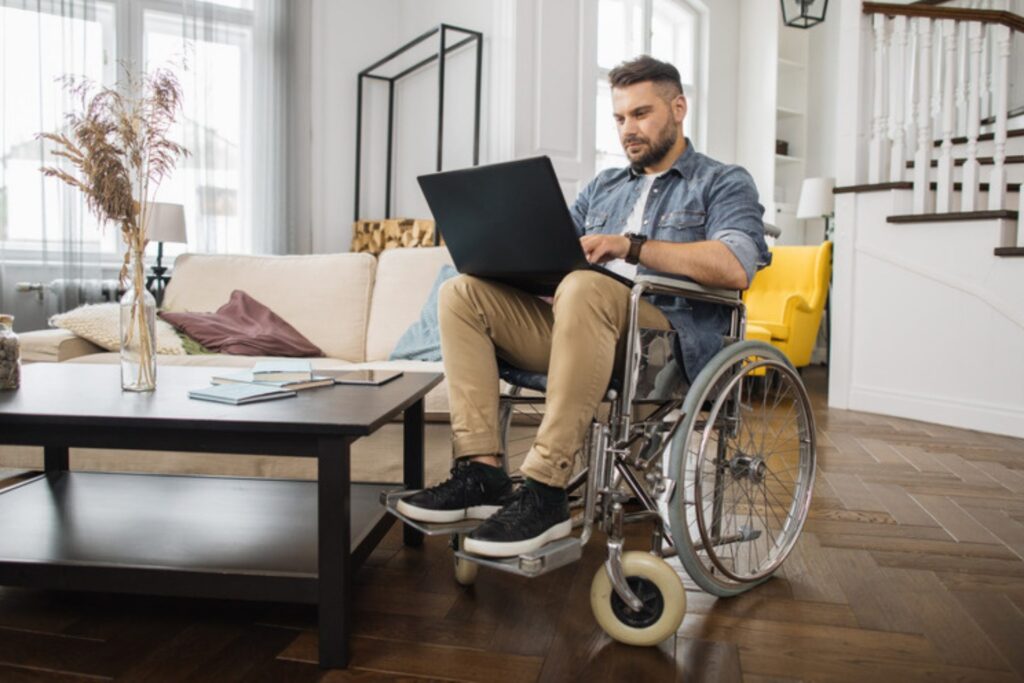
In everyday terms, that means a few concrete things.
- Text for images. Every photo of a room or service has a short description (alt text) that a screen reader can read out.
- Contrast and size. Text is easy to read against the background and can be enlarged to 200% without the page breaking.
- Keyboard. The date picker, room selection and payment button work without a mouse, and the focus is visible.
- Forms. Every field has a clear label, and errors are explained in words, not only shown in red.
- Payment. The payment page and card verification must also be accessible, even when they come from an external system.
- Accessibility information. Your terms and conditions or a separate page explain how the service meets the requirements.
Who is responsible when bookings run through an external system?
The hotel remains the service provider to the guest, so responsibility for an accessible booking process does not automatically pass to the company that built the system. Most hotels in Bulgaria use a ready-made booking engine embedded in their website, and it is often the weakest point in an audit.

Ask your provider for written confirmation of the WCAG level the booking and payment module meets, the reports from its latest audit, and a deadline for fixes. The same applies to your web developer and to your WordPress theme. When you renew a contract, add the accessibility requirement to it.
The law also allows an exception when meeting the requirements would place a disproportionate burden on the business. That assessment has to be documented, kept for five years and reviewed, so it does not replace an audit and only explains why a specific part has not been done.
What to do now
- Work out from your staff numbers and last year’s turnover whether the hotel is a microenterprise.
- Go through the whole booking journey with a keyboard only, from the home page to the confirmation.
- Run a free automated check, such as WAVE or Lighthouse in Chrome, and list the errors by priority.
- Ask your booking engine provider and your web developer to confirm WCAG 2.1 AA compliance and give you a timeline for fixes.
- Publish an “Accessibility” page that explains how booking works and gives a contact for help if someone cannot book online.
If you have already made your hotel website accessible, we would be glad to hear about it and share it with other hoteliers as good practice.
Frequently asked questions
When did accessibility requirements for booking websites take effect?
The European Accessibility Act requirements have applied since 28 June 2025. The Bulgarian law that transposes them took effect on the same date.
Does a small family hotel have to comply?
Not if it is a microenterprise, meaning it has fewer than 10 staff and annual turnover or a balance sheet of up to EUR 2 million. An accessible website still helps such a hotel, because it makes booking easier for older guests and people with disabilities, who book online too.
Do the rules apply to listings on Booking.com and Airbnb?
The accessibility of the platforms themselves is the responsibility of the companies that run them. The law applies to the hotel’s own website when it sells rooms directly.
Is an accessibility overlay plugin enough?
No. An overlay menu can help with font size and contrast, but it does not fix missing image descriptions, unlabelled form fields or a date picker that does not work with a keyboard.
Which standard should we ask our web developer to meet?
Ask for WCAG 2.1 level AA, which the European standard EN 301 549 refers to. That gives you and your developer a shared benchmark for checking the work.